
A study showed that alcoholic men who went to Alcoholics Anonymous became 9 times more likely to subsequently “binge drink” than those who used a cognitive behavioral approach. What’s more, they were also 5 times more likely to binge than a control group who received no help with drinking. The take-home message here is: you’re… Continue reading Alcoholics Anonymous Leads to Increased Binge Drinking – Brandsma Study
Month: January 2012
Dr David Hanson on Alcohol Problems & Solutions

Listen to Kenneth Anderson of the HAMS Harm Reduction Network interview Dr David Hanson.
Logical Fallacies In The Addiction Debate: #5 Appeal To The Masses and #6 The Bandwagon Fallacy

Argumentum Ad Populum An Appeal To The Masses is one of the laziest, weak minded, and philosophically revealing fallacies one can engage in. In short, this is the form of such an argument: Conclusion X is true because everyone (or a majority of people) believes it. That’s all there is to it. It simply… Continue reading Logical Fallacies In The Addiction Debate: #5 Appeal To The Masses and #6 The Bandwagon Fallacy
Harvard Study Shows Nicotine Replacement Therapy, Sadly, Doesn’t Work
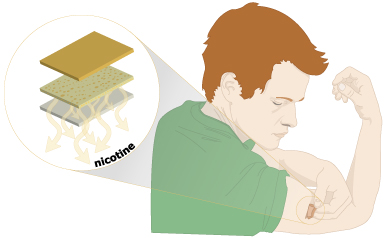
A Harvard study of 787 recently quit smokers shows that those who use NRT’s such as the patch or nicotine gum have relapse rates identical to those who quit without such aids. Maybe cigarette smoking is about more than just nicotine.
Logical Fallacies In The Addiction Debate: #4 Appeal To Authority

Certainly, authority figures have been wrong about many important matters throughout the ages. For each controversial claim, we can find experts who offer vastly different conclusions. Therefore, a mere Appeal To Authority shouldn’t be enough to prove or disprove a claim – if you really care about the truth of a matter you need more than that. This fact doesn’t stop people from shouting down others in the addiction debate with nothing more than an Appeal To Authority though!
Logical Fallacies In The Addiction Debate: #3 Appeal To The Consequences Of A Belief

An Appeal To Consequences is often the first and last fallacious argument uttered in any debate about the disease model of addiction. This tactic may be persuasive, but it doesn’t prove anything.
Logical Fallacies In The Addiction Debate: #1 Ad Hominem and #2 Ad Hominem Tu Quoque

It seems impossible to have an honest debate about the nature of addiction and methods for overcoming it. Ad Hominem attacks run rampant in this game. Here we examine this fallacy in action in the great addiction debate.